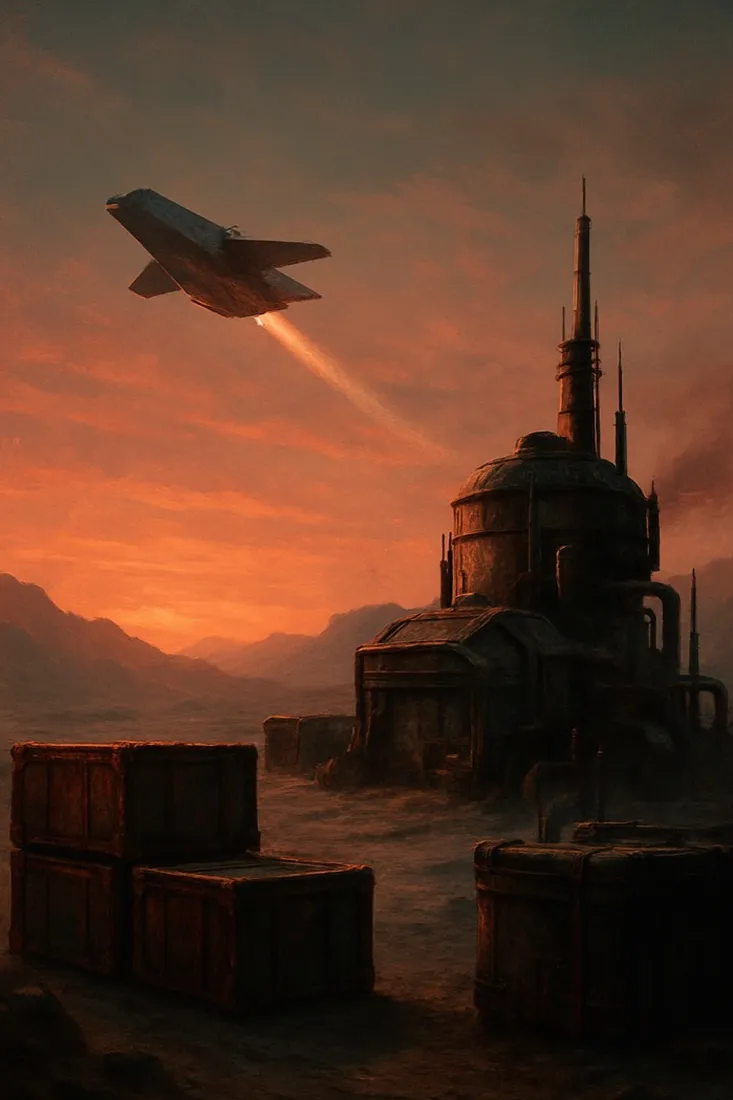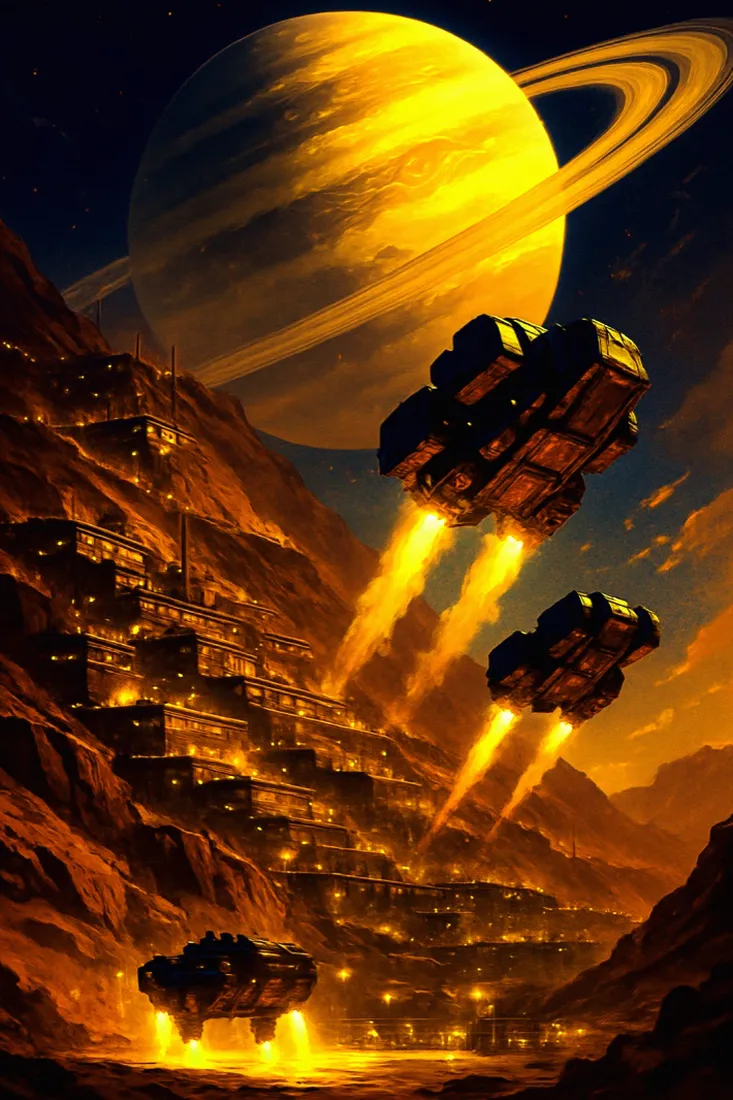
OGame is a browser strategy game from Gameforge in which you grow a single colony into an interstellar empire. There is no cockpit and no real-time steering. Instead you queue buildings, research and ships, then send fleets out on missions that take genuine time to complete. It sounds dry on paper. In practice it produces some of the tensest moments we have had in front of a browser tab.
Its influence is everywhere. Half the games on our chart owe something to OGame’s loop of mines feeding research feeding fleets, and playing it explains why so many imitators exist. It is not the friendliest game here, and it can punish carelessness hard, but it rewards forethought more consistently than anything else we reviewed.
Three resources and a power bill
Your economy rests on metal, crystal and deuterium, each produced by its own mine on your planets. Mines need energy, so solar plants and other power sources have to keep pace, and an underpowered planet quietly loses output until you notice. Early decisions are mostly about this balance: which mine to raise next, when to invest in storage and when to accept that research must wait.
Deuterium deserves special attention because it fuels your fleet as well as feeding research and construction. Players who neglect it find themselves with a beautiful hangar and no way to fly anywhere. Dark matter, the premium currency, can also be earned through expeditions, and it unlocks officers such as the Geologist and Engineer. Free players can manage perfectly well without them, though the bonuses do add up over months.
Why hours in transit change everything
Every mission in OGame, whether a transport, an attack, an espionage run or a colonisation attempt, spends real time travelling. A large fleet heading to a distant system may be in the air for hours. Combat is resolved automatically on arrival, calculated from fleet composition, research levels and the defender’s structures, so the real battle happens in your planning before launch.
This delay creates OGame’s signature habits. Experienced players scout targets with espionage probes before committing, because attacking blind is the fastest way to lose a fleet. They also keep their own ships moving when they log off, timing a long mission to return when they are next awake. Learning to fleet-save is the closest thing this game has to a rite of passage.
Moons, debris and the long game
Battles leave debris fields of metal and crystal, which can be harvested by recyclers, and a large enough debris field may form a moon. Moons matter enormously in later play. They host unique structures, including the Sensor Phalanx for watching fleet movements and the Jump Gate for moving ships between moons, and they reshape how established players defend and attack.
The Lifeforms system adds another layer for long-term commanders. Beyond the default faction there are three more species, each with its own technologies and bonuses, so two neighbouring empires can develop quite differently. It is a welcome injection of variety into a game whose core loop has been familiar for years, and it gives veterans something genuinely new to plan around.
Universes, alliances and neighbours
Servers in OGame are called universes, each containing several galaxies of solar systems. New universes open periodically, and starting on a fresh one is the most comfortable way in, because everyone begins on equal footing. Older universes are viable too, though you will be sharing space with empires that have years of research behind them.
Alliances are where OGame comes alive. Members coordinate attacks, share resources, warn each other about incoming fleets and negotiate with neighbours. A good alliance will teach you more in a week than any guide, including ours. The flip side is that a lone, inactive-looking planet attracts attention, so making friends early is both pleasant and practical.
OGame from launch to week one
- Raise metal and crystal mines steadily, and keep an eye on energy so production never stalls quietly.
- Build a few espionage probes early and read reports on neighbours before you consider any attack.
- Colonise a second planet once you can afford it, choosing a position that keeps travel times sensible.
- Join an active alliance, ask questions in its chat and learn which neighbours to leave alone.
- Practise fleet-saving before your fleet is worth stealing, timing missions to land when you log back in.
What we love
- Real flight times turn every launch into a genuine decision with consequences.
- The research tree rewards long-term planning more than raw time spent online.
- Moons and Lifeforms give veterans fresh goals after the first months.
- An official phone app makes evening check-ins away from the desk painless.
What grates
- A single careless night can cost weeks of fleet building.
- Dark matter officers give paying players a steady, noticeable edge.
- The opening hours explain the basics but little of the vital etiquette.
The pilot OGame wants
OGame suits players who like to plan, who enjoy reading a report before acting and who can live with a daily routine of short check-ins. If you want instant action or hate the idea of a rival reading your planet’s defences, look further down our chart first.
OGame, landed
OGame is the benchmark for a reason. Its economy is elegant, its flight times create real tension and its alliances produce stories you will retell for years. It asks for discipline and occasionally punishes lapses brutally, yet no other game here makes a well-timed fleet-save feel so satisfying. Start on a fresh universe, find friends early and give it a month.